VECTOBOL (Vectors of Bolivia)
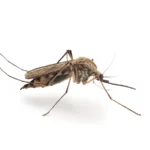
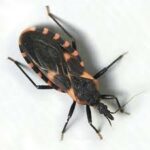
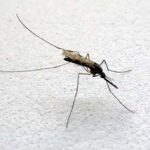
is a collaborative scientific platform dedicated to documenting and sharing knowledge on the biodiversity of blood-feeding insects in Bolivia. The platform brings together field observations, taxonomic and ecological information, interactive distribution data, and scientific resources on vectors of medical and veterinary importance. It currently focuses primarily on mosquitoes (Culicidae), sand flies (Phlebotominae), triatomine bugs (Triatominae), biting midges (Ceratopogonidae: Culicoides), as well as other groups of medical or veterinary importance. Its objective is to gather, preserve, and disseminate reliable knowledge on their diversity, geographic distribution, ecology, and taxonomy.
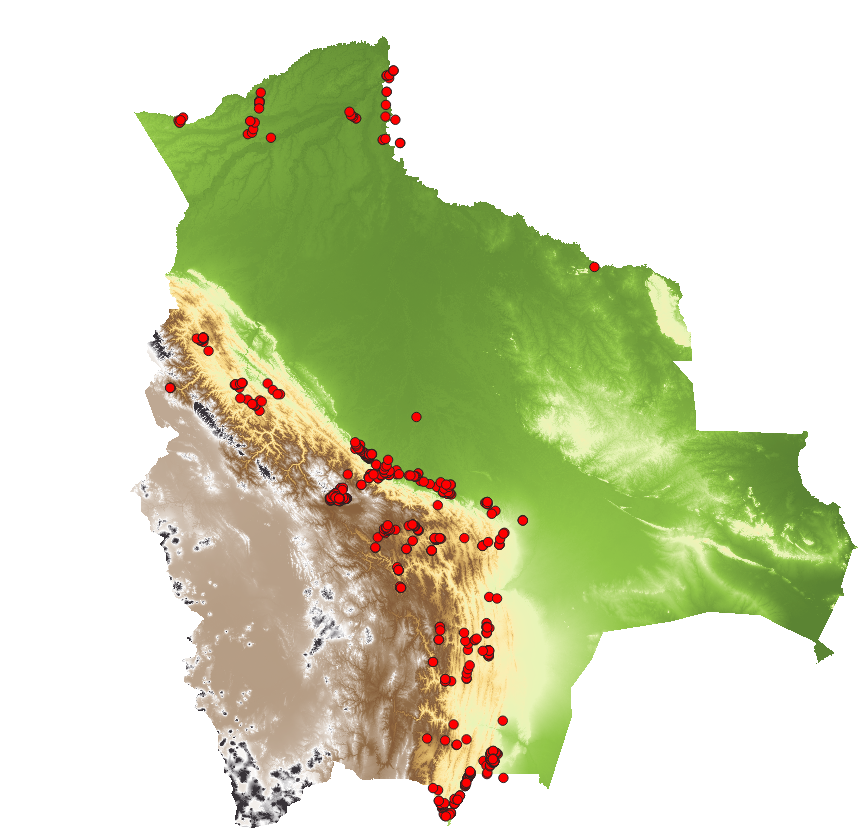
VECTOBOL provides a reference platform that brings together georeferenced occurrence data, taxonomic information, basic ecological data, distribution maps, documentary resources, and tools designed to facilitate the identification, study, and surveillance of blood-feeding insects. The platform is intended for researchers, students, public health professionals, and institutions involved in entomological surveillance and biodiversity research.
Established in 2018, the initiative relies on a network of collaborators who contribute to the continuous enrichment of a standardized digital database. Each record includes collection information, geographic location, main ecological characteristics of the sampling site, and taxonomic identification of specimens. Data are shared among network members, while reference specimens are preserved in entomological collections to ensure their traceability and availability for future studies.
By promoting the sharing of knowledge and data, VECTOBOL contributes to the development of medical and veterinary entomology research while improving understanding of the biodiversity of blood-feeding insects in Bolivia. The project aims to become a scientific reference resource for research, entomological surveillance, and the management of vector-borne diseases.
VECTOBOL is supported by the Laboratory of Medical Entomology of the Universidad Mayor de San Simón (LEMUMSS) in Cochabamba, Bolivia. The laboratory provides scientific and technical support to the network, particularly in taxonomic identification, entomological collection management, data analysis, and platform development. Through this contribution, LEMUMSS helps strengthen the scientific quality, long-term sustainability, and visibility of the initiative.